
Your ICHRA Starting Point
Start here if you're considering an ICHRA for your business. This video explains what an Individual Coverage HRA is, how tax-free health insurance and medical expense reimbursements work, who qualifies, and how to set up and administer an ICHRA through Salusion. By the end, you'll understand how to create your HRA, set employee allowances, and offer a simple, affordable health benefit.
ICHRA Administration Comparison
Salusion
PeopleKeep
TakeCommand
Thatch
Why Businesses Choose Salusion
Simple, Low-Cost ICHRA Pricing
No setup fees. No platform fees. No minimums. Salusion makes ICHRA administration simple, transparent, and affordable for small businesses.


Easy to Set Up. Easier to Administer.
Set up your ICHRA in 15 minutes. From compliance to expense tracking to reimbursements, Salusion automates the administrative work. With ACH reimbursements built in, you can offer a small-business HRA while spending almost no time managing it.
Built-In Employee Insurance Enrollment
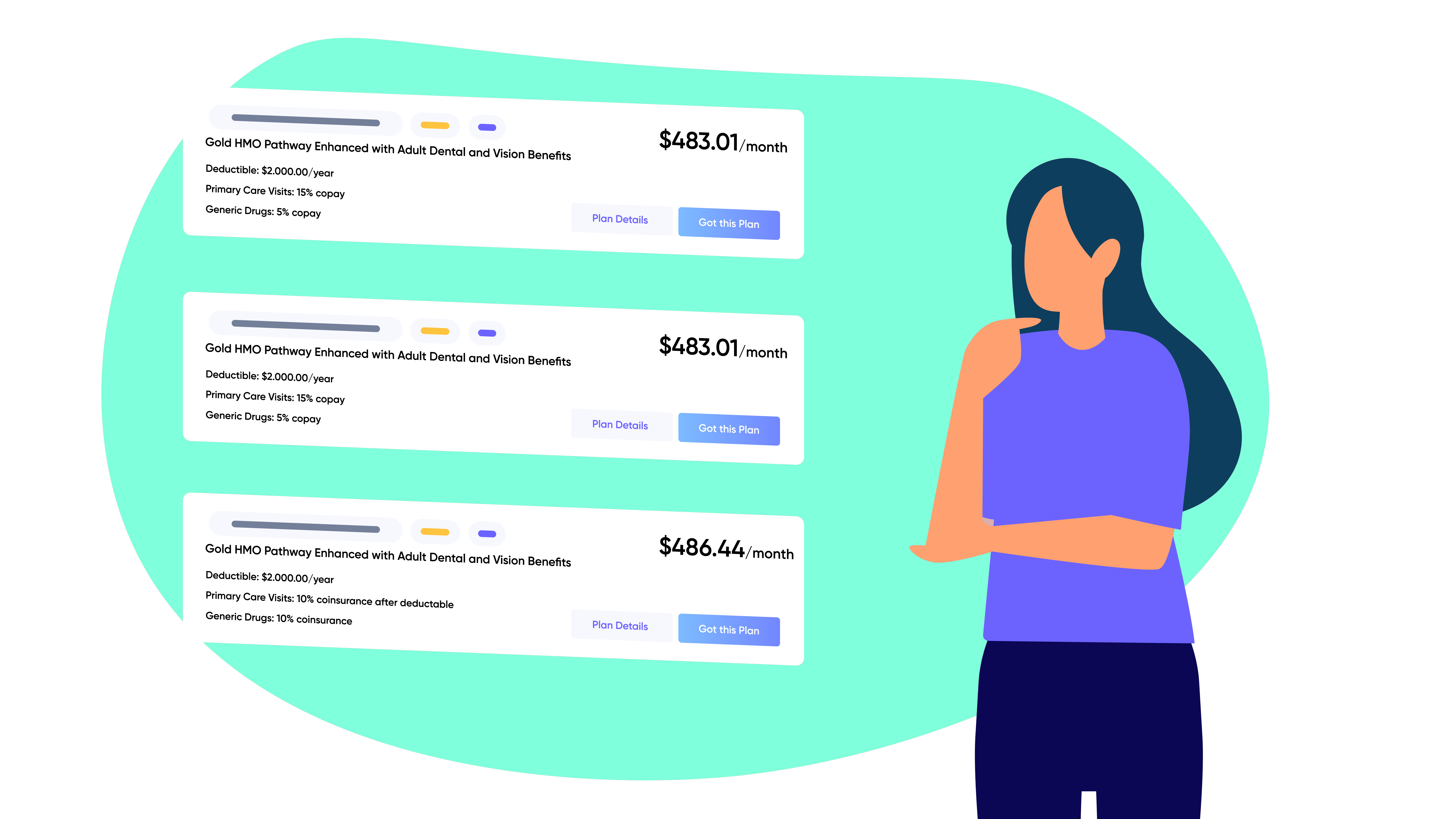
Employees can compare plans and purchase individual health insurance directly through Salusion, making it easier for them to use their ICHRA allowance with confidence.

Real People. Expert Support.
Most emails are answered in under an hour. Same-day Zooms with an ICHRA expert give employers and employees confidence their issue will be solved quickly and completely.
What Customers Say
Want to Learn More About ICHRAs?
These short guides answer some of the first questions employers ask before setting up an ICHRA: what it is, how employee classes work, and which employees can participate.
What Is an ICHRA?
Learn how an Individual Coverage HRA allows employers to reimburse employees tax-free for individual health insurance premiums and eligible medical expenses while offering a flexible alternative to traditional group health insurance.
What Is an ICHRA Class?
Understand how ICHRA employee classes allow employers to offer different reimbursement allowances to different groups of employees based on legitimate job-based classifications defined by federal rules.
Which Employees Can Participate in an ICHRA?
Find out which employees can participate in an ICHRA, including how eligibility rules work for full-time employees, part-time employees, seasonal workers, and employees placed into different ICHRA classes.
ICHRA Planning Tools
Before you create your ICHRA, use these tools to answer two of the most common employer questions: how much should you offer, and what will individual health insurance cost your employees?
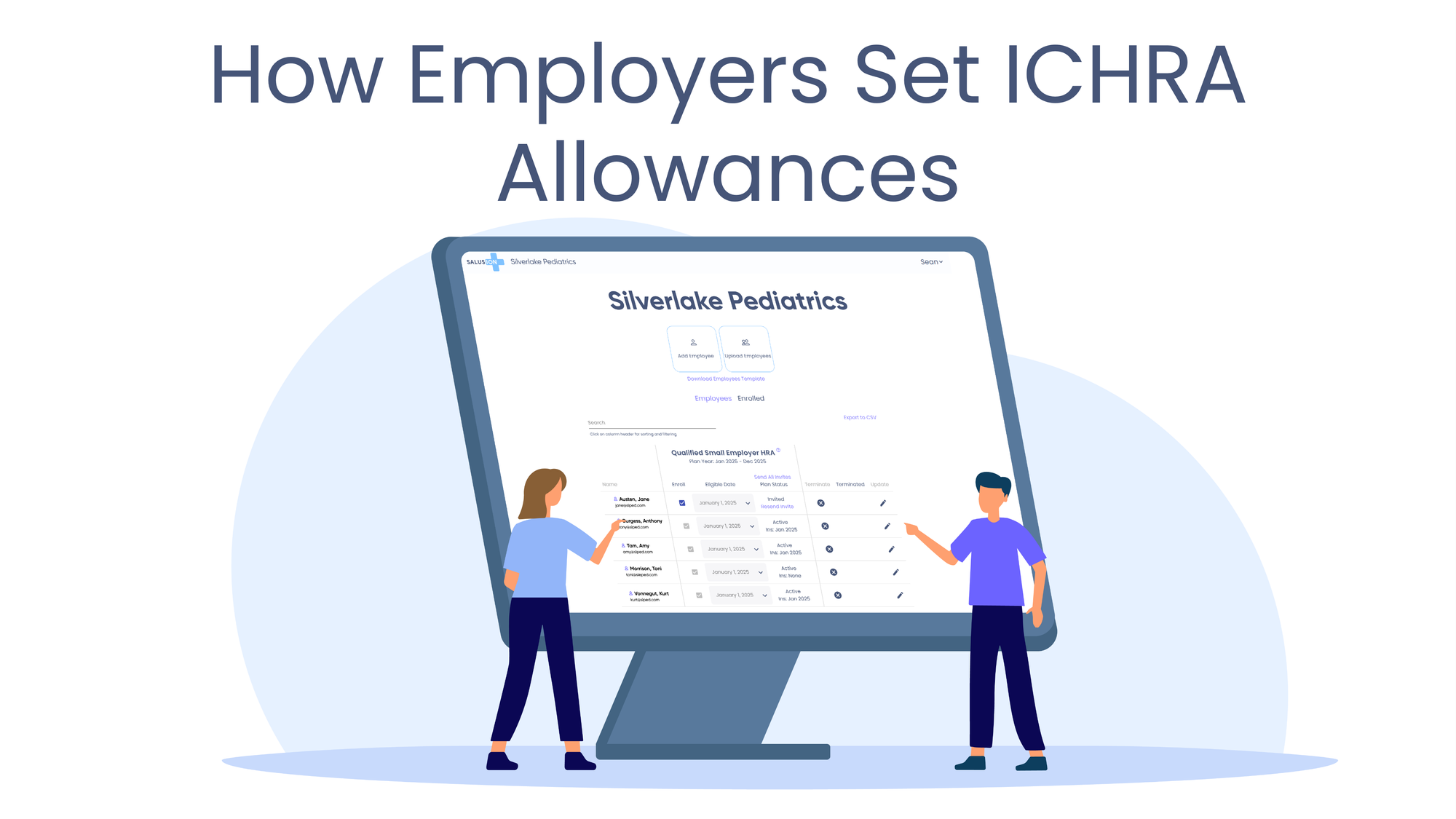
How Employers Set ICHRA Allowances
Benchmark your ICHRA allowance against real employers on Salusion. See common reimbursement strategies, average monthly allowance amounts, and how businesses structure ICHRA contributions across different employee classes and family sizes.
Estimate Employee Health Insurance Costs
Estimate the average cost of individual health insurance based on an employee's ZIP code and age. Use the results to choose an ICHRA allowance that fits your budget and gives employees a realistic view of what their reimbursement can cover.
Frequently Asked Questions
ICHRA vs. QSEHRA: Which HRA is right for your business?
A QSEHRA is usually best for small employers with fewer than 50 full-time equivalent employees that want a simple, tax-free reimbursement benefit. An ICHRA can work for employers of any size and offers more flexibility by employee class, with no annual IRS reimbursement limit.
Read the full article →Can business owners participate in an ICHRA?
It depends on the business structure. C-corporation owner-employees can generally participate, while sole proprietors, partners, LLC members taxed as partners, and more-than-2% S-corporation shareholders generally cannot receive tax-free ICHRA reimbursements.
Read the full article →What are part-time employees under an ICHRA?
Under ICHRA rules, employers can define part-time employees as a separate employee class and offer different reimbursement amounts based on hours worked or employment status.
Read the full article →How do ICHRAs affect premium tax credits?
Employees offered an ICHRA may become ineligible for premium tax credits if the ICHRA is considered affordable under IRS affordability rules.
Read the full article →What expenses are eligible for ICHRA reimbursement?
ICHRAs can reimburse individual health insurance premiums and other eligible medical expenses under IRS Section 213(d), including many out-of-pocket costs such as deductibles, copays, coinsurance, and prescriptions. Employers can choose which eligible expense categories their ICHRA will cover.
Read the full article →